Why Open Seasons Exist
Open seasons define the periods during which recreational anglers may legally harvest specific fish species. Outside these dates, the species is closed to retention — though some provinces permit catch-and-release fishing during closed periods for certain species under specific conditions. The underlying purpose is to protect fish during spawning periods, when populations are most vulnerable to harvest pressure and when disturbing spawning aggregations can have disproportionate effects on recruitment.
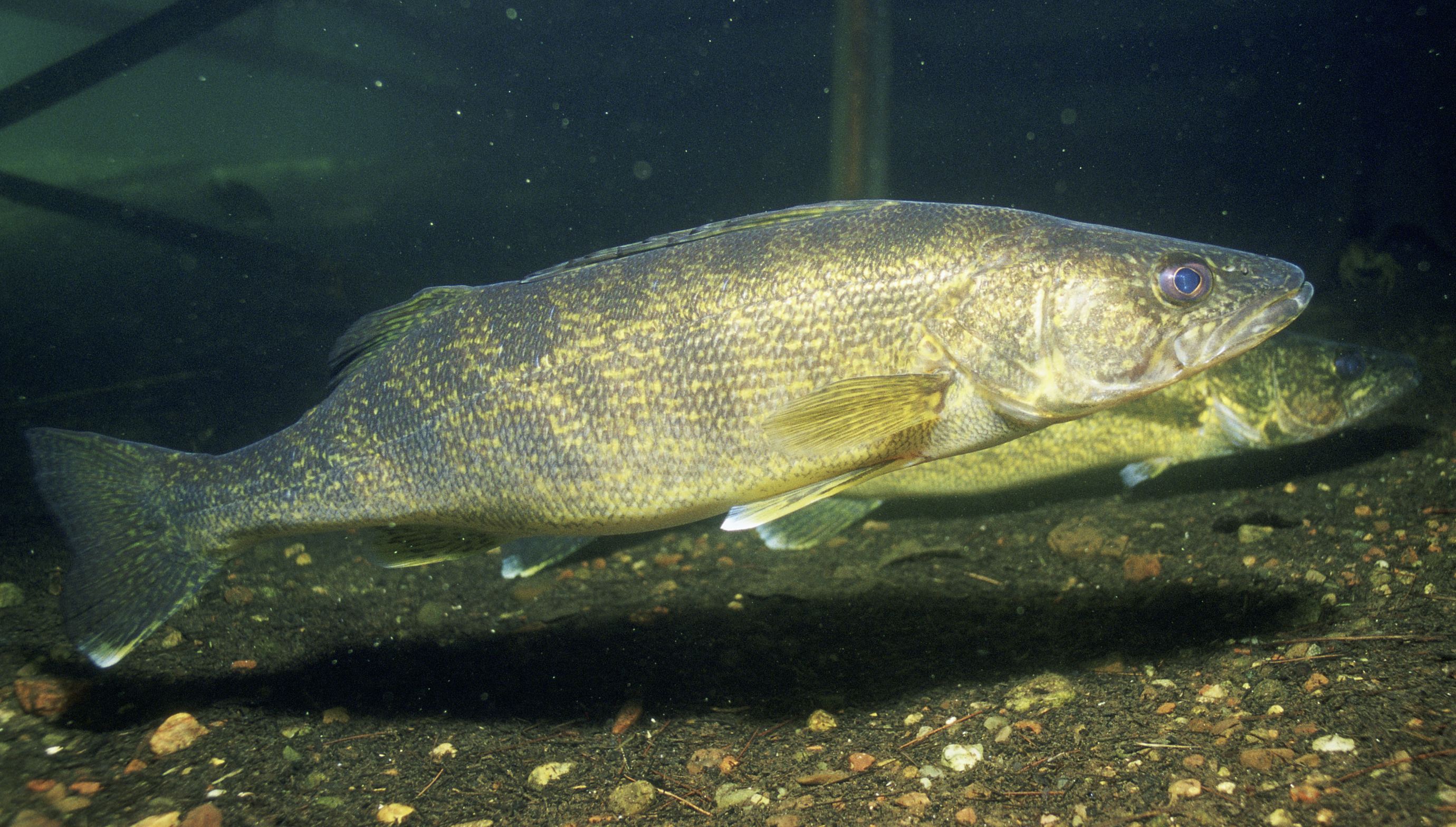
Walleye, for instance, typically spawn in early spring in Ontario and Manitoba. A closed season covering the spawning period — often from late March through mid-May depending on the zone — allows the population to complete reproduction before anglers begin harvesting again. Similar logic applies to species such as muskellunge, lake trout, and brook trout, which spawn at different times of year in different regions.
The Zone System
Most provinces divide their territory into fishing zones or management units, each of which may carry different season dates, size minimums, and catch limits for the same species. Ontario uses a system of Fish Management Zones (FMZs), numbered 1 through 20, covering different geographic areas of the province. The open season for walleye in FMZ 7 (Lake Simcoe area) may differ from the season in FMZ 15 (northwestern Ontario), reflecting local population conditions and historical harvest data.
British Columbia divides its freshwater fisheries into regions and sub-regions, each covered by a set of freshwater fishing regulations that specify species, methods, gear restrictions, and applicable dates. The 2026 BC Freshwater Fishing Regulations Synopsis — published annually by the provincial government — runs to hundreds of pages covering these distinctions.
Understanding which zone a specific lake or river falls within is therefore the angler's responsibility. Most provincial regulation guides include maps identifying zone boundaries, and online tools provided by provincial ministries allow anglers to look up specific lakes and rivers by name.
Ontario: Key Species and Seasons
In Ontario, walleye and sauger have a province-wide closed season in most zones that runs from approximately late March through mid-May, with exact dates varying by FMZ. The general open season for walleye runs from mid-May through late March the following year in most northern zones. Daily catch limits for walleye are typically set at six fish in combination, with a possession limit of twelve.
Lake trout in Ontario are subject to zone-specific seasons. In many northern zones, lake trout can be taken from January 1 through September 30, with a closed period covering October and November to protect fall spawning activity. The standard catch limit in most zones is two lake trout per day, with a possession limit of four. Some designated trophy waters restrict anglers to catch-and-release only.
Bass — both largemouth and smallmouth — are governed by a closed season in most southern Ontario zones covering the period during which they are guarding nests, generally from late April through mid-June depending on the zone. Outside the closed season, the combined daily limit for bass in most Ontario zones is six fish.
British Columbia: Trout and Char
British Columbia's freshwater fisheries are dominated by salmonid species — rainbow trout, bull trout, Dolly Varden, and various char. The province uses a default regulation that applies to unlisted lakes and streams, which sets a general trout limit of five fish per day, with no minimum size. However, many specific lakes and rivers carry special regulations that override this default, imposing lower limits, size minimums, or bait restrictions.
Classified waters — a category covering many of BC's most productive streams — may restrict fishing to artificial lures with single barbless hooks only, impose zero-retention rules for certain species, and limit fishing to specific months of the year. The Vedder/Chilliwack River, for example, has historically carried complex overlapping regulations covering different species and gear types depending on the time of year.
Prairie Provinces
In Alberta, walleye and northern pike are among the most frequently targeted species. Provincial regulations establish catch limits that vary by management zone, and some waters in the province have been designated as Special Management Waters with reduced or zero-retention rules based on population assessments. The general provincial limit for walleye across most of Alberta has been set at three fish per day in recent years, down from higher historical limits.
Saskatchewan offers extensive walleye and pike fishing in its northern lakes. Visitors to Saskatchewan often find that regulations on larger, more heavily fished lakes near road access are stricter than those on remote fly-in destinations, where angling pressure is lower and management goals differ. Manitoba similarly distinguishes between accessible and remote lakes in its regulation structure.
Catch Limits, Possession Limits, and Size Minimums
A daily catch limit specifies the number of a given species an angler may retain in a single day. A possession limit specifies how many of that species an angler may have in their possession at any time — typically set at twice the daily limit. Both limits apply simultaneously, meaning an angler cannot exceed the daily limit by arguing that they are carrying fish from multiple days of fishing. Once in the field, only the daily limit can be retained on any given day.
Size minimums establish the smallest fish that may be retained. Fish below the minimum size must be released immediately and carefully. In some provinces, size minimums are stated as a total length from the tip of the closed mouth to the tip of the tail. Measuring fish on the water requires carrying a tape measure or a marked boat gunwale as a reference.
Slot limits explained
A slot limit protects fish within a specified size range — for example, northern pike between 55 cm and 80 cm must be released in some Ontario zones. Fish below the minimum size and above the maximum size may be retained, subject to the applicable daily limit. Slot limits are designed to protect the most reproductively valuable individuals while allowing harvest of smaller fish that are more abundant.
Changes Based on Conservation Conditions
Open seasons and limits are not static. Provincial fisheries authorities review population assessment data on a regular basis and adjust regulations in response to changes in stock abundance, harvest rates, or environmental conditions. Anglers who have fished a particular lake for many years may find that rules have changed since their last visit. The regulation guides published by each province at the start of the fishing year are the authoritative source, not information from previous seasons or informal sources.
Several provinces now publish digital regulation guides and interactive online tools that allow anglers to input a specific lake name and retrieve the applicable regulations for that water body. These tools, where available, reduce the risk of misapplying regulations from the wrong zone or using outdated printed guides.
Consulting Authoritative Sources
The most reliable way to confirm current open seasons and catch limits is to consult the official regulation guide published by the provincial or territorial government for the current year. These are available at no cost through provincial ministry websites and are distributed in print at licence-issuing locations. Fisheries and Oceans Canada (dfo-mpo.gc.ca) provides oversight for federally managed species, while each province governs the majority of recreational freshwater fishing through its own legislation.