Fly Fishing
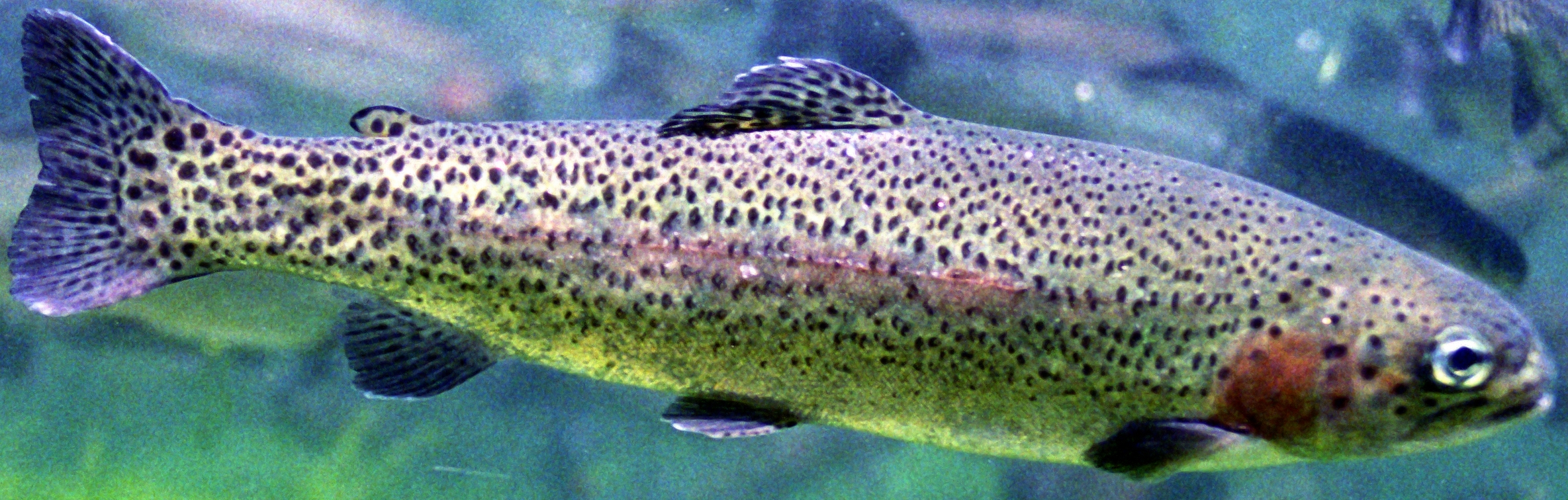
Fly fishing is practised across Canada but reaches its greatest concentration in British Columbia and Alberta, where mountain rivers and tailwater fisheries hold healthy populations of rainbow and bull trout. The technique uses a weighted line rather than a weighted lure — the line carries the fly, which is typically constructed from feathers, fur, or synthetic materials designed to imitate insects, crustaceans, or small baitfish.
In BC, rivers such as the Thompson, the Bulkley, and the Elk are well-documented steelhead destinations where fly fishing is the predominant technique. Many of these rivers are subject to special regulations that restrict or prohibit the use of bait, making fly fishing not just a stylistic preference but a regulatory requirement on certain designated stretches.
Fly fishing is broadly divided into three approaches. Dry fly fishing presents a fly on the water surface to rising fish. Nymph fishing presents weighted or unweighted flies beneath the surface, imitating the larval stage of aquatic insects. Streamer fishing uses larger, more mobile flies that imitate small fish or leeches and are retrieved with motion to trigger predatory strikes from trout, pike, or bass.
In eastern Canada, the Miramichi River in New Brunswick and the Restigouche system straddling the Québec-New Brunswick border are historically significant Atlantic salmon fly fishing destinations, subject to specific zone licences and regulations governed by provincial authorities.
Spin Casting and Spinning
Spin casting is among the most widely used techniques across Canada, suited to a broad range of species and water types. It involves casting lures — spoons, spinners, crankbaits, or soft plastics — and retrieving them at varying speeds to attract predatory fish. The technique requires less specialized equipment than fly fishing and is effective across the full range of Canadian freshwater species, from walleye and northern pike to perch and bass.
Spinners in the 1/8 to 1/4 ounce range are commonly used for brook trout in smaller Ontario and Québec streams, where the combination of flash and vibration draws fish from cover. In open-water walleye fishing on large prairie lakes, larger spoons and paddle-tail soft plastics retrieved slowly through suspected holding areas are a standard approach. Northern pike, which tend to occupy weedy, shallow areas, respond well to weedless-rigged soft plastics and spoons retrieved through submerged vegetation.
Baitcasting
Baitcasting equipment — a revolving spool reel mounted on top of the rod — offers greater accuracy and line control for heavy lures compared to spinning gear. It is commonly used in Canadian bass fishing and for targeting large northern pike or muskellunge. The technique requires more practice to manage the reel without creating backlash, but provides the ability to place lures precisely in tight cover such as fallen timber, dock pilings, or weed edges.
In Ontario's lake country, baitcasting is the standard approach for muskellunge anglers using large jointed baits and bucktail spinners. Muskellunge are among the least frequently caught but most sought-after freshwater species in eastern Canada, with their populations managed carefully through slot limits and low daily catch allowances.
Ice Fishing
Ice fishing is one of the defining winter activities across central and northern Canada. When lakes freeze sufficiently — typically reaching 15 cm of clear ice as a minimum for foot traffic, though safety recommendations often suggest 20 cm or more before placing shelters or ATVs — anglers drill holes through the ice and fish with shortened rods or tip-up rigs.
In Ontario, ice fishing for perch, walleye, and lake trout on lakes such as Simcoe, Erie (near Port Stanley), and Nipissing is practised throughout the winter months, typically from mid-December through early March depending on ice conditions. Lake Simcoe supports a particularly large ice fishing industry, with numerous outfitters operating heated hut rentals and providing guided experiences.
In Manitoba and Saskatchewan, large lakes such as Winnipeg and Diefenbaker are significant ice fishing destinations, with perch and walleye as the primary targets. Ice fishing regulations in most provinces mirror open-water regulations — the same species limits, size minimums, and season restrictions apply regardless of whether fishing is conducted through ice or open water.
Ice safety considerations
Ice thickness recommendations vary by load type. Clear blue ice is stronger than white or opaque ice formed from snow. New ice is stronger than old, deteriorating spring ice of the same thickness. Provincial safety resources and local bait shops near popular ice fishing lakes are the most reliable source of current ice conditions.
Jigging
Jigging uses a weighted lure — a jig head with a hook and soft plastic, feather, or hair body — that is lifted and dropped vertically to create an action that imitates an injured or feeding prey item. It is effective through both open water and ice, making it one of the most versatile techniques in freshwater angling.
In walleye fishing, the 1/8 to 3/8 ounce jig tipped with a live or artificial minnow is one of the most widely used presentations across Ontario, Manitoba, and Saskatchewan. The depth and retrieve speed vary considerably by season — walleye sit deeper in summer, often at 20 to 30 feet on larger lakes, and shallower in spring and fall when water temperatures are lower.
Vertical jigging for lake trout in deep Ontario lakes — sometimes at depths of 80 to 120 feet — uses heavier tube jigs or blade baits that transmit vibration through deep water. This approach is particularly effective in mid-summer when lake trout suspend in the thermocline below warm surface water.
Trolling
Trolling involves pulling lures or baited rigs behind a moving boat at controlled speeds. It is effective for covering large areas of water when fish are dispersed and is commonly used for lake trout, walleye, and salmon. In British Columbia, trolling for kokanee (landlocked sockeye salmon) on lakes such as Okanagan and Kootenay uses small spoons and dodger-and-fly combinations at specific depths determined by fish finder readings.
In Ontario, trolling for lake trout on Georgian Bay and Muskoka lakes typically involves diving plugs or spoons deployed on downriggers to reach the depths where fish are holding. Speed, depth, and lure choice are adjusted based on water temperature readings and the behaviour of fish observed on sonar equipment.
Reading Water
Effective angling in Canadian freshwater requires understanding where fish are likely to be holding at different times of year and under different conditions. In rivers, fish tend to hold in areas where current is broken — behind boulders, at the edges of eddies, at the tail-outs of pools, and in the transition zones between fast and slow water. In lakes, seasonal temperature changes drive fish movement between shallow and deep water, with spring and fall generally concentrating fish in shallower areas as temperatures moderate.
Observing surface activity — rising fish in a calm river pool, birds working a shoreline, baitfish scattering near the surface — provides information about where predatory fish are actively feeding. On open lakes, sonar equipment has become a standard tool for locating fish and understanding bottom structure before committing to a location.
Catch and Release Practices
Voluntary catch and release, and in some waters mandatory release for certain species, is a recognized component of responsible angling in Canada. Proper handling minimizes stress and injury to released fish. Key practices include wetting hands before handling fish, minimizing time out of water, removing hooks quickly with forceps, and supporting the fish horizontally rather than gripping it vertically by the jaw — particularly for larger fish or species with weaker jaw structures such as walleye. Fish that are revived by holding them gently in the current until they swim away under their own power have a substantially higher survival rate than those dropped immediately into the water after release.
Further information on best practices is available through provincial fisheries authorities and from Fisheries and Oceans Canada.